

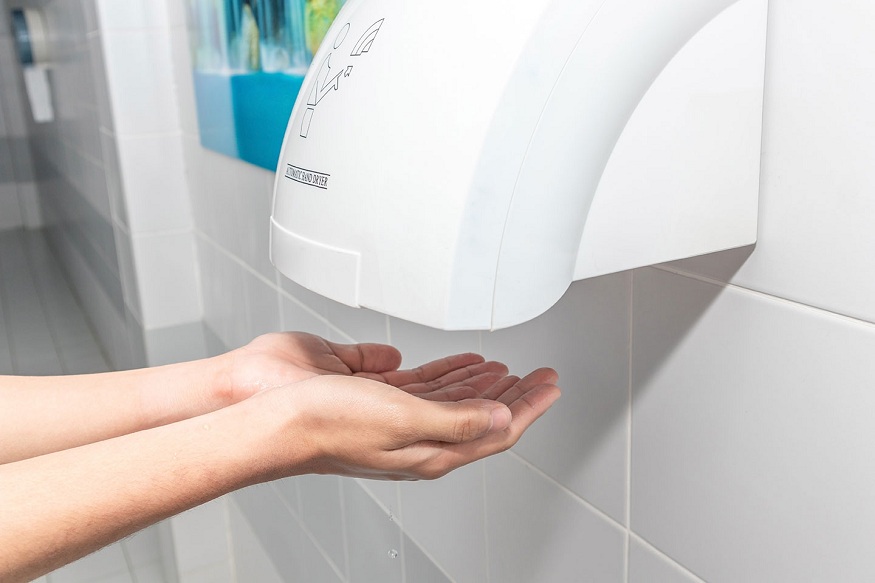
Automatic hand dryers are a vital component in modern public restrooms, providing a hygienic and eco-friendly alternative to paper towels. However, like any mechanical equipment, they require regular maintenance to ensure efficient performance, longevity, and cleanliness. Neglecting proper care can lead to reduced drying power, malfunctioning sensors, and even costly repairs. Here are some essential maintenance tips to keep your automatic hand dryer running smoothly and efficiently.
1. Regular Cleaning of the Unit
One of the simplest yet most effective ways to maintain your automatic hand dryer is by keeping it clean. Over time, dust, dirt, and grime can accumulate in the unit, potentially clogging the air vents and sensors. A clean hand dryer operates more efficiently and reduces the risk of malfunctioning.
Read More: Why Builders Rely on Portable Power Station
- Exterior Cleaning: Wipe down the exterior with a damp cloth to remove fingerprints, dust, and surface grime. Avoid using harsh chemicals, as they can damage the finish. Mild soap and water are typically sufficient.
- Interior Cleaning: Remove the cover, following the manufacturer’s instructions, and use a vacuum cleaner or soft brush to clear out dust and debris from the air intake and exhaust. This prevents the dryer from overheating and ensures a consistent airflow.
- Sensor Cleaning: The sensor is responsible for activating the hand dryer when it detects motion. If the sensor is obstructed by dirt or dust, it may not function properly. Gently wipe the sensor area with a microfiber cloth to remove any debris. Ensure that the sensor is clean and unobstructed for optimal performance.
2. Inspect and Replace Filters Regularly
Some automatic hand dryers feature internal filters to trap dust, debris, and particles in the air. Over time, these filters can become clogged, reducing airflow and efficiency. It’s essential to check and replace the filters regularly, as specified by the manufacturer.
- When to Replace: Depending on usage, filters should be replaced every 6 to 12 months. In high-traffic areas, it may be necessary to replace them more frequently.
- Cleaning the Filters: If your model has washable filters, follow the manufacturer’s guidelines for cleaning. Gently wash them with water and allow them to dry thoroughly before reinserting them.
- Avoid Overloading: When replacing filters, always use the correct type recommended by the manufacturer to ensure optimal performance. Substituting filters or neglecting this step can result in poor air circulation and inefficient drying.
3. Check and Maintain Air Vents and Nozzles
The air vents and nozzles of your automatic hand dryer are critical to ensuring powerful air circulation. Clogged or blocked nozzles can reduce airflow, making it harder for users to dry their hands effectively.
- Cleaning the Vents: Use a soft brush or compressed air to clean the vents and nozzles. Ensure that no debris is blocking the air passage. A blocked nozzle can also lead to an increase in energy consumption, as the dryer works harder to push air through the system.
- Check for Wear and Tear: Regularly inspect the nozzles for signs of damage. Over time, they may become cracked or worn out, which can impair the dryer’s performance. If you notice any issues, replace the nozzles to restore the hand dryer’s efficiency.
4. Ensure Proper Sensor Calibration
The sensor calibration of an automatic hand dryer is crucial for ensuring it activates at the right moment and maintains consistent performance. Improper sensor calibration can lead to a dryer that activates too easily or fails to detect users’ hands.
- Test the Sensor: Periodically test the sensor by waving your hand in front of it to see if the dryer activates as expected. If the dryer doesn’t respond or activates when you’re too far away, it may need recalibration.
- Recalibration: Some hand dryers allow you to adjust the sensor sensitivity via a control panel. If your model has this feature, refer to the user manual for instructions on recalibrating the sensor. If not, contact a professional service technician for assistance.
5. Monitor Power Supply and Wiring
Automatic hand dryers rely on a consistent power supply to operate effectively. Electrical issues can cause the dryer to malfunction or stop working entirely.
- Check the Power Supply: Ensure that the hand dryer is properly connected to the power source and that there are no visible signs of wear on the electrical wiring. If the dryer doesn’t power on, check the fuse or circuit breaker to rule out electrical problems.
- Inspect the Wiring: Inspect the internal wiring for any signs of wear, fraying, or loose connections. If any issues are found, it is essential to have a qualified electrician repair the wiring to prevent further damage or potential hazards.
6. Handle Mechanical Issues Promptly
Automatic hand dryers are subject to wear and tear, particularly in high-traffic areas. If you notice any mechanical issues, such as the dryer not producing enough air pressure, unusual noises, or a failure to activate, it’s crucial to address these problems quickly.
- Common Mechanical Issues: Common problems include malfunctioning motors, faulty sensors, or blocked air ducts. If the dryer begins to sound louder than usual or if the drying time increases significantly, there could be a problem with the motor or airflow system.
- Professional Servicing: For any significant mechanical issues, it’s best to call in a professional technician. While simple tasks like cleaning and changing filters can be handled in-house, more complex repairs should be left to qualified experts to ensure the dryer is repaired safely and effectively.
7. Schedule Regular Professional Inspections
While regular maintenance can be done by in-house staff, it’s advisable to schedule periodic professional inspections of your automatic hand dryers. Trained technicians can check for deeper issues that might not be easily detectable, ensuring your hand dryers remain in peak condition for years to come.
Read More: Budget-Friendly Tips to Furnish Your New Apartme
For wider commercial, hospitality, or public-facing projects, small supporting details can make the finished space feel more complete. Composite decking can provide a durable, low-maintenance surface for terraces, entrances, outdoor seating areas, and customer-facing spaces; while traditional signage can add character, direction, and brand presence; while digital signage can share changing information, promotions, menus, or wayfinding updates clearly.
Conclusion
Proper maintenance of your automatic hand dryer is essential for ensuring efficient operation, preventing costly repairs, and enhancing the user experience. By following these tips—regular cleaning, sensor calibration, filter replacement, and addressing any mechanical issues promptly—you can keep your hand dryers running smoothly and prolong their lifespan. Regular care will not only save money in the long term but also contribute to a cleaner, more sustainable restroom environment.