
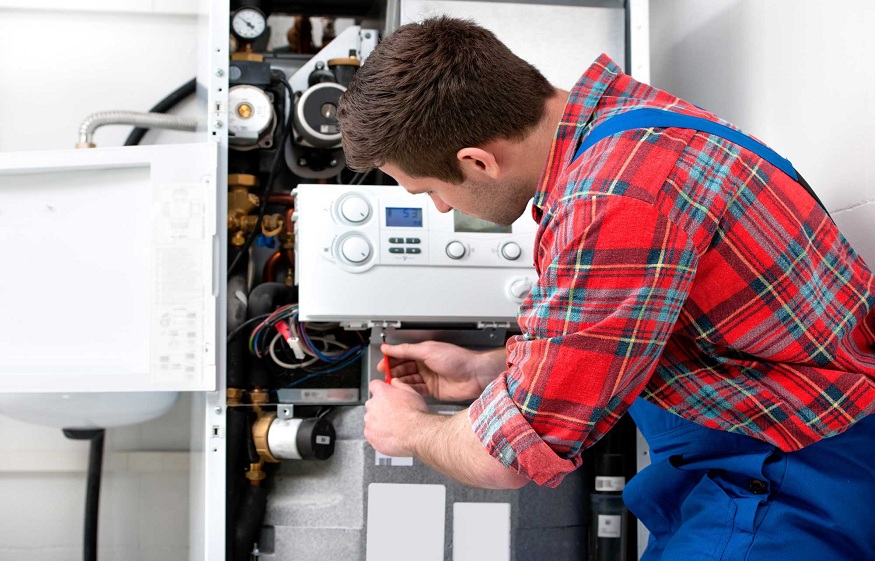
Your furnace works more during winter. Sometimes, it might malfunction. And the first thought is to try a quick fix. But some repairs are quite risky.
Below, we will explain what is safe to work on and what is best left to professional technicians.
Safe DIY furnace tasks
You don’t need any special equipment or training to handle these tasks:
Replacing or removing filters
This maintains the flow of air and makes your system efficient. The dirty filters cause your furnace to work harder. This increases your energy consumption.
Checking thermostats and batteries
Ensure that the thermostats are accurate. They help your furnace operate efficiently. Change the batteries to prevent unnecessary heating cycles.
Cleaning vents and other accessible parts
Dust and debris may obstruct airflow. Vacuum and clean surfaces that are exposed so as to make them efficient.
Visual examination
Check for:
- Apparent wear and tear
- Loose wires
- Visible leaks.
But do not handle internal parts. Unless you are absolutely certain of what you are doing.
These actions can prevent minor issues from escalating. They also prolong the life of your furnace.
Furnace repairs you can never DIY
Certain furnace problems are too hazardous or difficult enough to attempt by yourself:
Defective ignition systems or pilot lights
It is dangerous to handle gas and open flames without training. Errors may cause fire or carbon monoxide leakages.
Cracked heat exchangers
This is one of the most severe furnace problems. A damaged heat exchanger may allow poisonous gases to get into your house.
Replacement or repair of blower motors
This is a complicated electrical job. It needs professional knowledge and tools.
Gas line issues
One little leak can causean explosion or harmful carbon monoxide accumulation.
Electronic malfunctions or the control board issues
The components are very delicate and costly. They may aggravate the problem when handled mistakenly.
Attempting these serious repairs may result in an injury, damaged furnace, or a compromised warranty.
Whyprofessional help?
The reasons why calling a professional is the better option include:
- Safety first: Professionals are aware of the safety of gas and electricity.
- Time savings: Experienced technicians can detect the issues more quickly. This prevents unnecessary repair.
- Long-term savings: Timely repairs will reduce the risk of severe and expensive breakdowns.
Look for reputable furnace repair services. This will improve the efficiency of your heating system.
Signs to call in a pro
Be on the lookout for these signs:
- Cold rooms even after turning on the furnace.
- Increasing electricity bills without an increase in consumption.
- Abnormal odors like the odor of burning or sulfur.
- Cycling or brief heating periods
- Abnormal sounds. Banging! Squealing!Rattling!
Should any of these happen, then do not wait to act. Calling in a professional early will minimize the cost of repair.
The bottom line
Small jobs can still be done under DIY maintenance. But do not attempt to fix major furnace issues. Leave complicated work to professionals. They have the knowledge and toolsto do the work right.